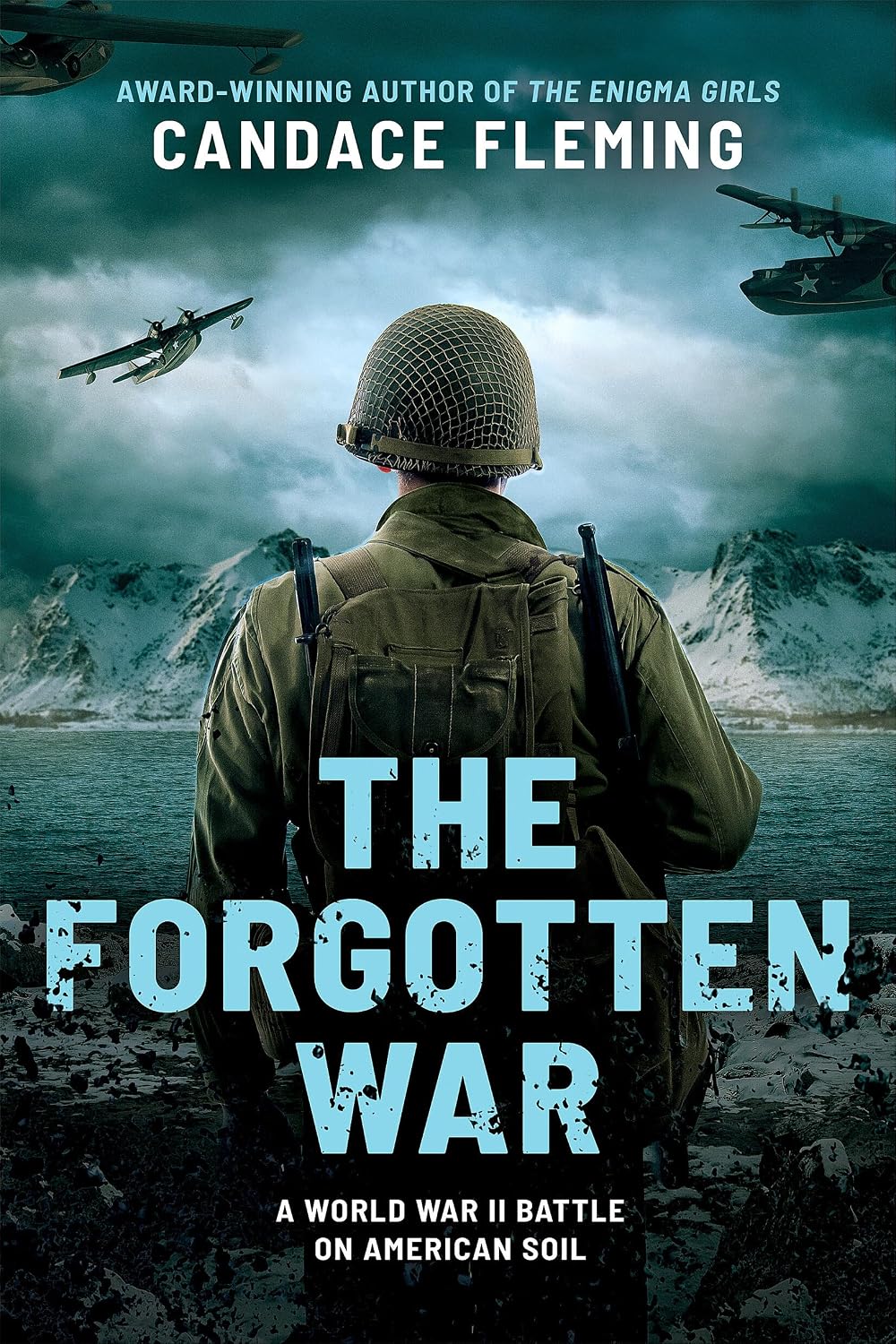
The Forgotten War, a fascinating non-fiction tale about The Battle For Attu

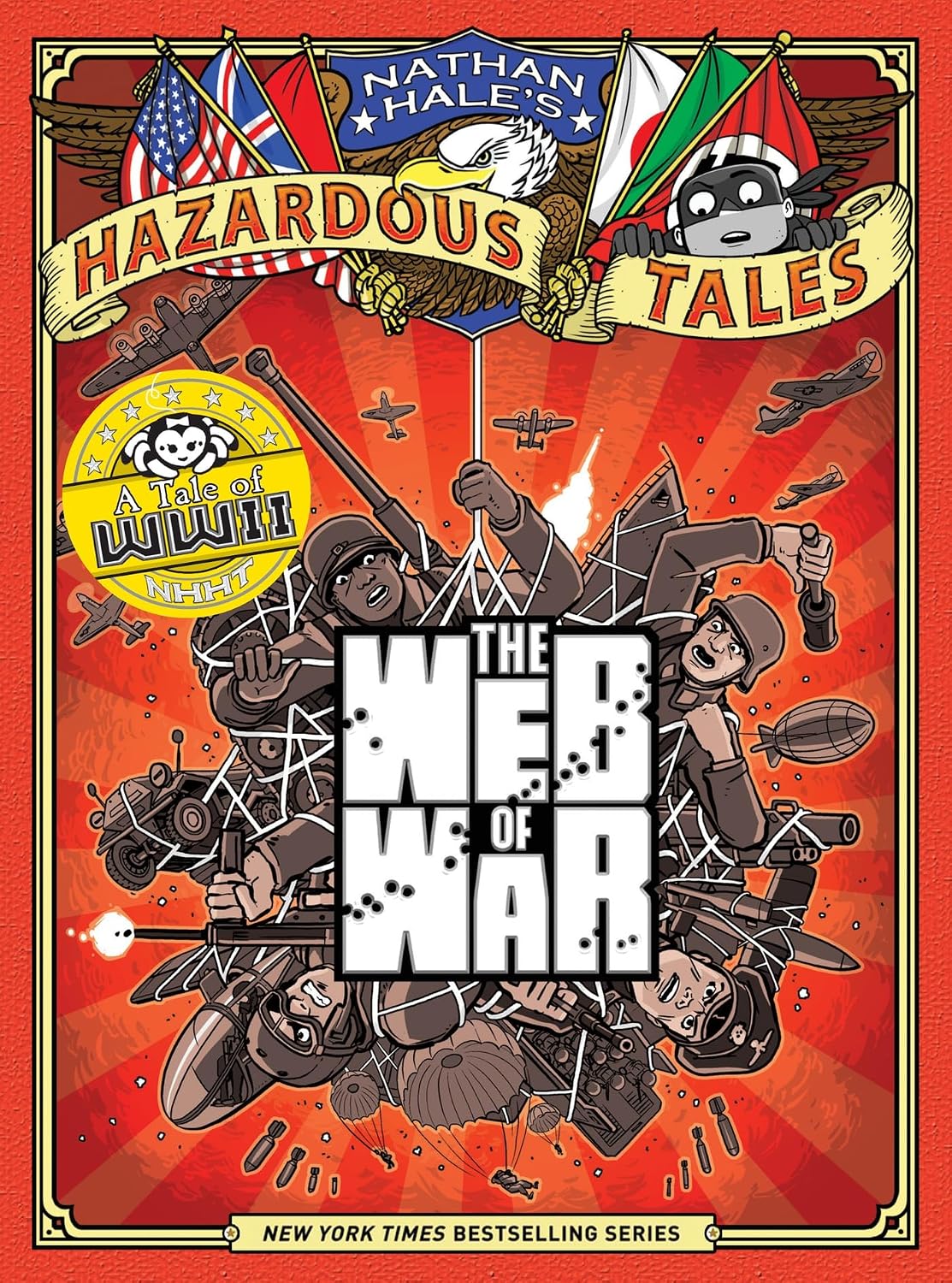
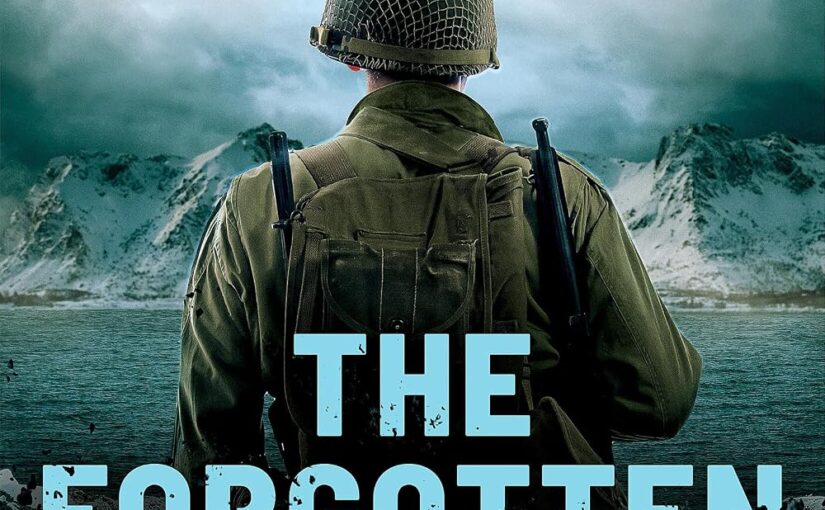
The Battle of Attu. As I started The Forgotten War: A World War II Battle on American Soil, it was a battle that sounded familiar, but I could’ve easily been confusing it with something else. Attu does sound very Star Wars. The Forgotten War introduces Attu in the first chapter as American and Japanese troops are engaged in combat in WWII. An omnipresent narrator starts the book with our main character Charlie, in the midst of a battle on the island of Attu. Attu is part of the Aleutian Islands. This chain of islands is the spiraling strand of land that spews off of Alaska. It’s a remote location that teeters into the North Pacific Ocean like a kid scared to jump from the high dive at the swimming pool.

The Forgotten War is the non-fiction story you didn’t know you wanted to read. Japanese troops invade America during WWII, it’s a rural Red Dawn.
History so enthralling that it won’t dissuade kids from reading it

World Without Birds is conservation, via regional stories on extinct birds

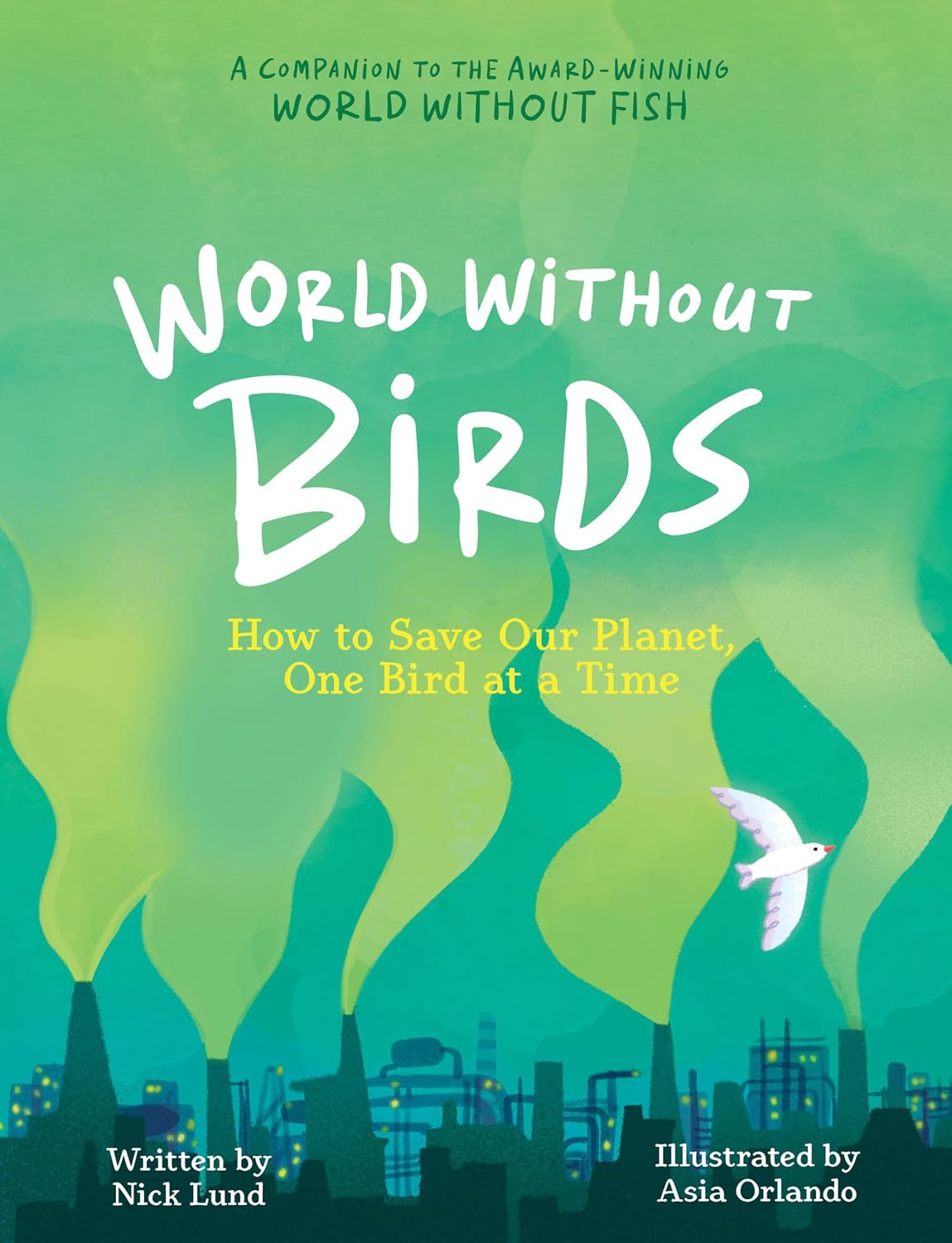
World Without Birds is not what you’re probably thinking it is. Its title, World Without Birds: How to Save Our Planet One Bird at a Time could infer to some people that the book is impossibly pessimistic. The illustration on the cover expands that hypothesis by showing a factory in the bottom sixth that’s belching green pollution. There’s a lonely, white bird flying to the right as if they’re trying to escape the gunk that’s ruining their home, leading to a world without birds. It looks like that. Adults and older readers need to read the introduction first. I know, you never read the introduction, but the one in World Without Birds sets up the book as a series of measured short stories.

Hopefully, World Without Birds knows the adage “don’t judge a book by its cover” and uses its content to win over young readers and naturalist kids.
Birds yes! Conservation yes! Cover meh.

Trunk No. 3, drama/fantasy mglit that engages kids who want to read

Last year I was teaching ELA in high school. One of my writing prompts was to write a short story from the perspective of an inanimate object. I had a photograph of a streetcar, an automobile, advertising sign and more. All of the photos, plus our detailed speech about the essay, had enough details to inspire those high school kids to write something with a modicum of meaning, creativity or heart. Olivetti was an mglit book that we really enjoyed. Author Allie Millington’s book, Trunk No. 3 follows a similar set up. Does it payoff as efficiently as a story from the perspective of a typewriter?

Trunk No. 3 offers a fly-on-the-wall take of a trunk that can mystically send objects to different locations. It’s mglit for the reading faithful.
It won’t do much to sway reluctant readers

The Intergalatics, sci-fi mglit with story to sway reluctant readers.

It’s tough to introduce worlds to audiences. What makes a young reader want to explore a new book with unknown characters? In my over simplified mind I view the world of authors as being similar to cartoonists. Assuming that all of the work is done under the same name, the content needs to have enough of the footprint that brought the audience, without being repetitive. I know, there are many adult authors who defy that mantra and flaunt the sheer volume of published or co-authored books. The Intergalactics is the first book in a series by Erik Jon Slangerup. It’s mglit that introduces young readers to aliens, who are surprisingly like us, despite being unique and in fantastical situations.

The Intergalactics, mglit whose characters run with energy and a science-fiction/adventure plot that doesn’t get in the way of audiences enjoying it.
mglit, sci-fi and other cool abbreviations lie in wait

Game of Pets Book 1, hello to your favorite elementary school book series

Children’s books are not automatically guaranteed a sequel. Granted, many, if not all of them, aspire to have a lengthy run, but there are some stories and books that just peter out on the literary vine. This is not something that Game of Pets: The Boy Who Knew Too Much, by Aaron Blabey, has to worry about. Elementary school-age children know Blabey from his work on The Bad Guys. That book series was one of the few that our youngest child would pick up, and has since been made into movies that probably do the same thing to kids in that demographic. Game of Pets is effortless to read. It’s a world-building start to a funny, science-fiction world that ages eight and up will want to explore.

Game of Pets Book 1 removes any barriers elementary school kids have towards reading in this go-to series from the creator of The Bad Guys
All hail pets of doom, and a great elementary-aged book

Have You Seen Axel? is well worth seeing for young readers aged 4-8

We haven’t seen Gordon. Have You Seen Axel? is the sequel to Have You Seen Gordon?. Coincidentally, you can see Axel in the mirrored sunglasses that Gordon is wearing on Have You Seen Axel?. Gordon is a panda. He looks quite dapper and cool on the book’s cover. Have You Seen Axel? is a seek-and-find book. These types of books by their very nature are intended for elementary school-aged students and this one is no exception.

Have You Seen Axel? is a seek-and-find that embraces the premise, then twists it, adds a narrative and ends up with something original and entertaining.
A sequel that makes you want to read the one before it

A to Z: An Animal Alphabet, joins your forever library due to art and size

You pre-k homes or places that cater to kids under second grade know there’s no shortage of alphabet books. Some of them take root because young audiences chew on the board book pages until they’re mush. There are some ABC books that use an established intellectual property to drive the vehicle. A to Z: An Animal Alphabet by Sara Boccaccini Meadows uses an established IP, albeit a niche one, oversized pages and gorgeous art to drive home the 26 letter kids need to learn.

A to Z: An Animal Alphabet shows the very young how to do the 26 building blocks in the vein of the In Our Nature book series.
So good you’ll want to re-learn your ABC’s

Sleepless is fiction that elementary kids want to, and are able to, read

“OK, I’ll read Sleepless; it’s from the author that wrote book our class read”, said our 14-year old. This was the process for us assigning, or him choosing the next book he’d read. Sleepless is by Gordon Korman, an author whose name is synonymous with big kid books in elementary school. I didn’t question the youth as to which Kormon book his class read. Go to any elementary school library, and if it’s a chapter book without illustrations, there’s a good chance he wrote it. He’s the kidlit version of James Patterson, and Sleepless is the first book that I’ve read from Gordon Korman.

What’s surprising about Sleepless is how utterly readable it is. Elementary-aged readers won’t think twice about the chapters because the vocabulary is 100% in their wheelhouse.
I see why this author is the skeleton Key

Copy Protected by Chetan's WP-Copyprotect.